Better knowledge. Healthier animals.Rooted in Kashmir. Here for all of India.
OASIS · From the archive

Poultry Pathology Museum – 1 of 7

By Anjum Andrabi · Originally published September 1, 2008

A historical entry from the OASIS animal picture blog. Original observations and discussion are preserved; this entry has not received a new veterinary review. Some photographs show clinical procedures.
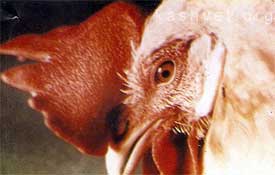
Well developed comb of a healthy 25 week old Legjorn hybrid hen
Well developed comb of a healthy 25 week old Leghorn hybrid hen
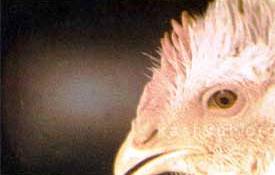
The undeveloped comb of a culled pullet
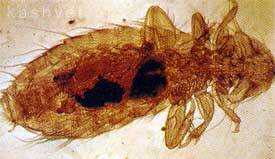
Lice are infrequently present in backyard flocks and may depress production if infestation is severe
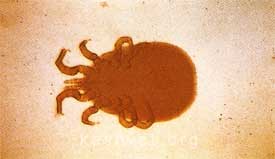
Blood sucking Ornithonyssus spp. mite
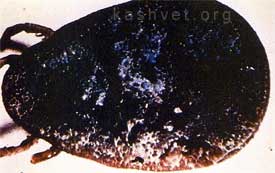
Ticks of genus Argas are vectors for Spirochaetosis
Ticks of genus Argas are vectors for Spirochetosis
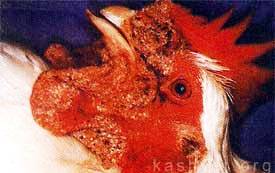
Dermatomycosis characterized by grey scaly appearance of comb, wattles and non-feathered areas of the head
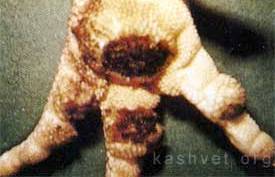
Pododermatitis (Bumble foot) as a result of wet litter. Obese cockerels and hens are susceptable to this condition which reduces fertility
Photography credits · Editorial policy
Scroll to Top